Build Real Ministry Tools With AI
At DMC 2026, non-technical ministry leaders built real tools in under an hour with vibe coding. The V.I.B.E. framework and four steps to start this week.
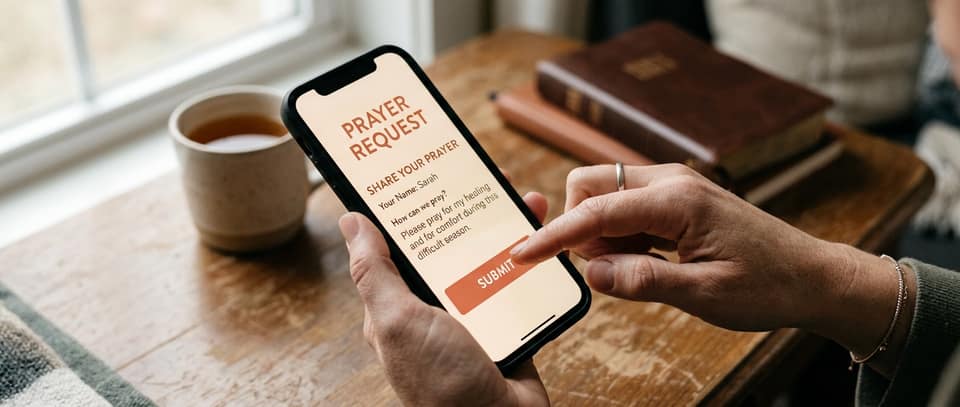
For years, ministry leaders have had ideas that never made it off a napkin. Not because the ideas weren't good, but because building anything digital felt out of reach without a developer, a budget, and weeks of back-and-forth. What if that barrier no longer existed?
At the 2026 Digital Ministry Conference, two AI leaders, Kenny Jahng and Michael Lukaszewski, took a room full of non-technical ministry leaders through a live workshop on vibe coding. By the end, attendees were building real, functional tools for their organizations. Here are the key lessons from that session.
What the Room Learned (And Built) at DMC 2026
- Vibe coding is describing what you want, not writing code. As one presenter put it: "If you can use ChatGPT, you can vibe code something." The skill is the ability to clearly describe what you want, who will use it, and what success looks like. It's a delegation skill: the same clarity you need to manage a strong team member.
- A simple framework makes all the difference. V.I.B.E.: Vision (the problem, the user, what success looks like), Inspiration (a mood board of screenshots and palettes for your AI intern), Blueprint (a Product Requirements Document that tells the AI exactly what to build), and Execute (bring the PRD into a tool like Lovable and iterate).
- Real ministry tools were built from scratch in under an hour. Examples included a "Pizza with the Pastor" sign-up page with automated confirmation emails, a resource bundle opt-in site, and an email funnel calculator for nonprofit leaders. One attendee produced a professional website from a client's business plan in 10 minutes.
- The DMC conference app itself was vibe-coded. Five Q's CEO, Chad Williams, began vibe coding the conference app in two days after attending a build-a-thon event in Kansas City.
- Vibe coding is a stewardship strategy, not just a tech trend. "This is a stewardship opportunity — to be able to figure things out without committing significant resources first." Leaders can now show stakeholders a working prototype rather than a slide deck, reducing the risk of building the wrong thing.
Why This Changes Everything for Resource-Constrained Ministries
Ministry leaders have long sat on the wrong side of a digital divide, not because they lacked vision, but because translating that vision into a digital tool required technical skills, budget, or both. Vibe coding closes that gap. And the V.I.B.E. framework mirrors something ministry leaders already know how to do: cast a clear vision, seek inspiration, make a plan, and execute.
Kenny and Michael also introduced a quarterly sprint model: an in-person strategy session with leadership, a staff up-skilling workshop, and a 30-day sprint to build and deploy one focused tool. As Kenny said, "The best AI tool you have is the one in front of you that you're familiar with." Version one is better than version none.
Four Steps to Start Building Something This Week
- Run your next ministry need through V.I.B.E. Take 20 minutes on Vision and Inspiration before opening any tool, and collect 3–5 screenshots of interfaces you like.
- Build your first PRD using AI. Open Claude or ChatGPT, paste in your vision, and let the AI ask clarifying questions until you have a structured brief. Then take it into a vibe coding tool.
- Start with one small, internal tool. One repetitive task, one missing workflow, one thing your team wishes existed. Small wins build momentum.
- Establish a quarterly innovation rhythm. One leadership strategy session, one staff up-skilling moment, and one 30-day sprint per quarter.
The Mission Is Too Important to Wait
The room at DMC 2026 was filled with ministry leaders who thought building digital tools required a developer. They walked out having built real things with nothing more than their words and a clear sense of what they wanted to create. That's not a technology story. It's a stewardship story. The tools are accessible. The framework is learnable. And the mission is too important to wait.
Watch Part 1 and Part 2 of the Vibe Coding Workshop at the 2026 Digital Ministry Conference.
Rachel Slininger is a Sr. Account Executive & Marketing Specialist at Five Q. This article was developed using AI writing tools guided by her research and editorial framework. She has directed, edited, and approved this article before publishing.